
Nakaih: How Islanders Read the Season in Real Time
Out here, the year doesn’t feel like January, February, March.
It feels like the sea.
Some weeks the breeze stays steady and everything feels crisp. Some weeks the lagoon turns calmer and you find yourself in the water more than you’re out of it. And sometimes a warm shower rolls through, then the whole island looks freshly rinsed and brighter than it did ten minutes ago.
That’s where Nakaih comes in.
Nakaih is the Maldivian way of describing the season through short micro seasons. Locals recognise each chapter by the “feel” of wind, sea, and sky. We mention it the way you would share a local detail with a friend, not as a forecast and definitely not as a promise. Just a simple way to explain what the island is doing right now.

What Nakaih looks like when you’re actually here
If you’re reading this from a desk somewhere far away, “micro season” might sound abstract.
On an island, it’s obvious.
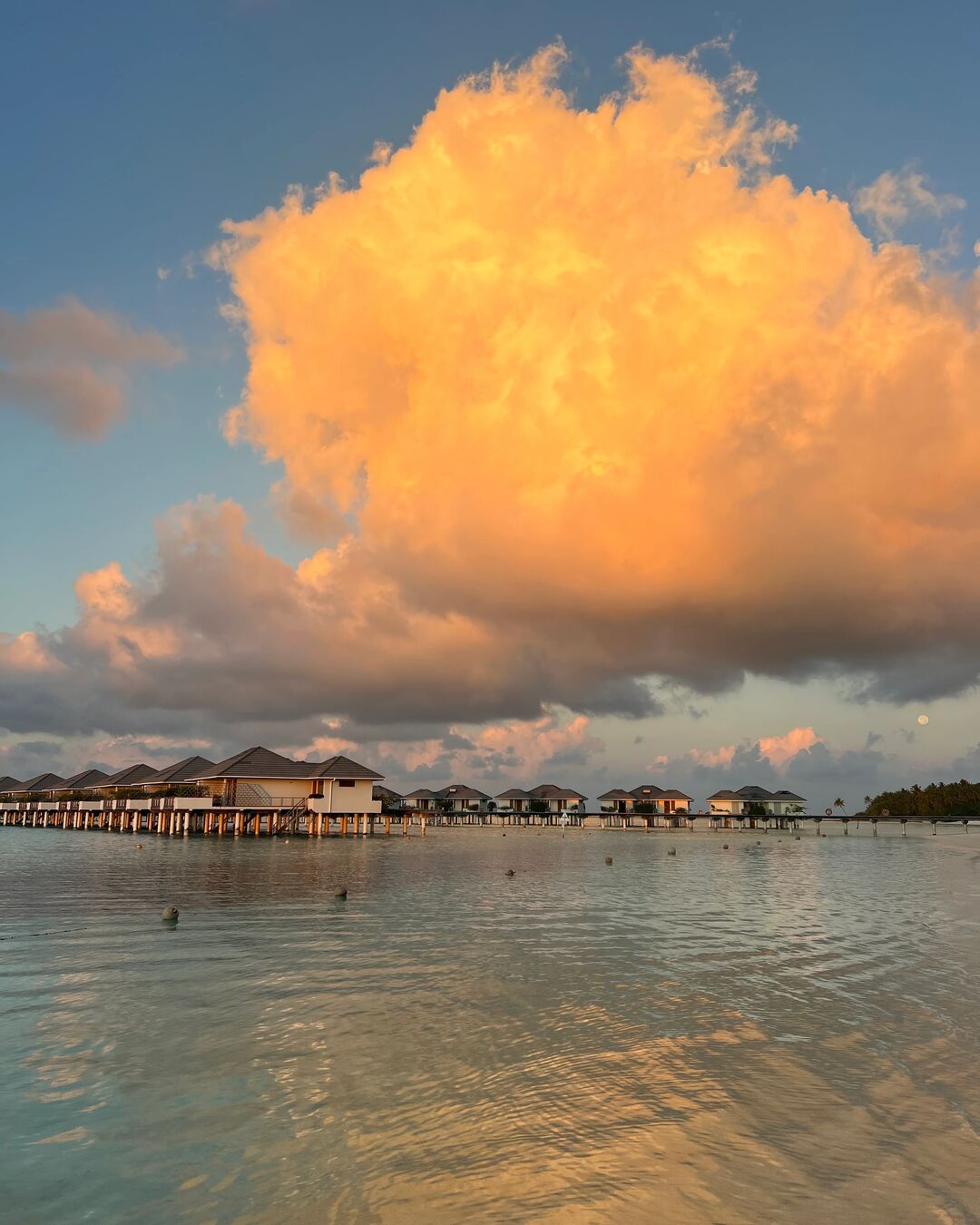
You feel it when you step outside in the morning and the air has a bit more movement. You see it in the water. One day it’s lightly textured, another day it’s glass. You notice it at sunset when the sky behaves differently, when clouds build and clear, when the light turns soft and then sharp again.
Nakaih is just language for that.
And because it’s local knowledge, it’s also more honest than the usual “best time to visit” talk. Even in the bright stretches, rain still belongs here. It’s usually warm, it passes, and it makes the island smell better afterwards.
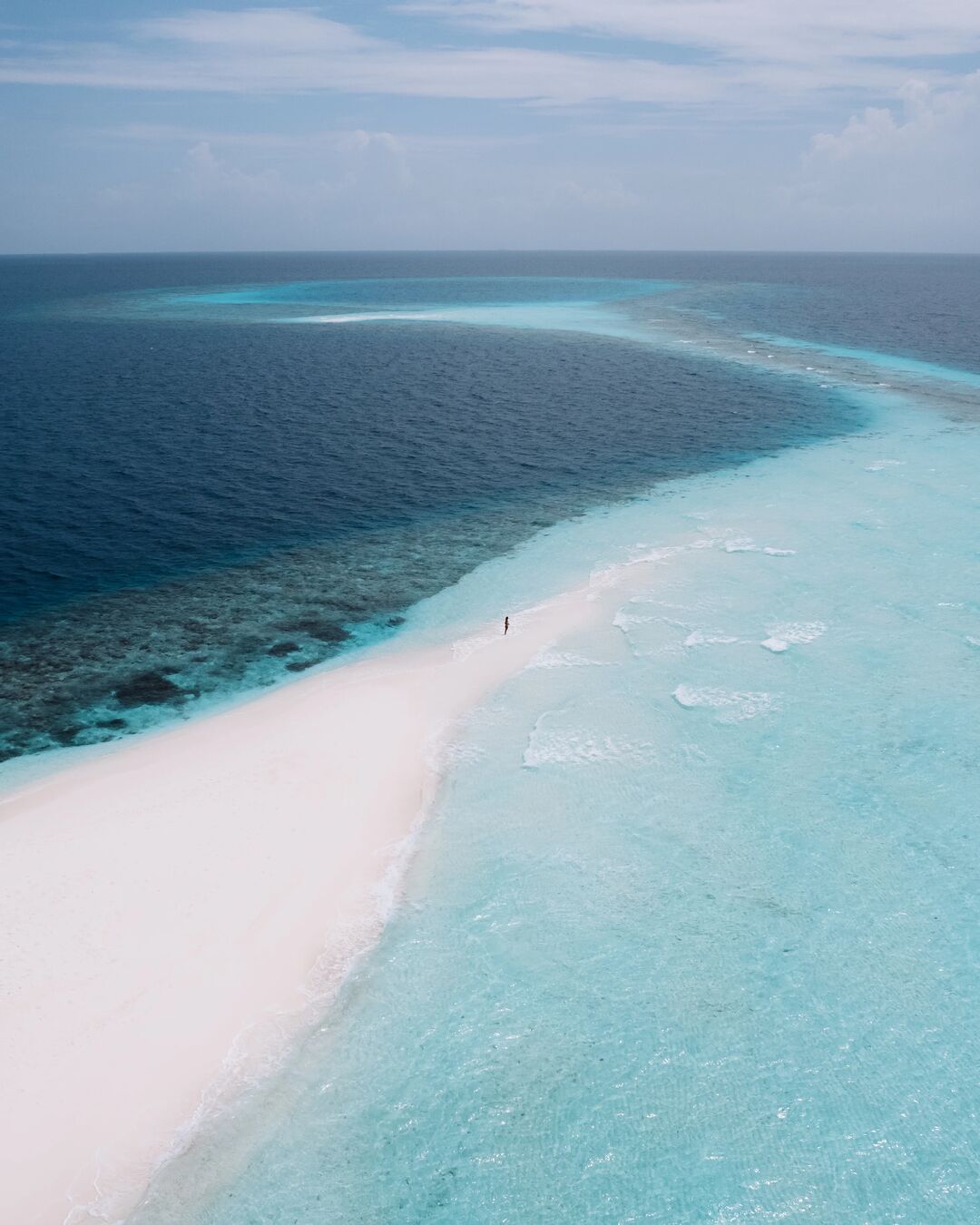
Dhinasha (1 to 13 February): Bright, breezy, fresh
Dhinasha usually feels fresh.
The breeze is present, the horizon looks bright when the sun is out, and the days suit being outside. It is the kind of stretch where you do not need to overplan. You go out when the light is good. You pause when the heat builds. You return to the lagoon when the sky clears.
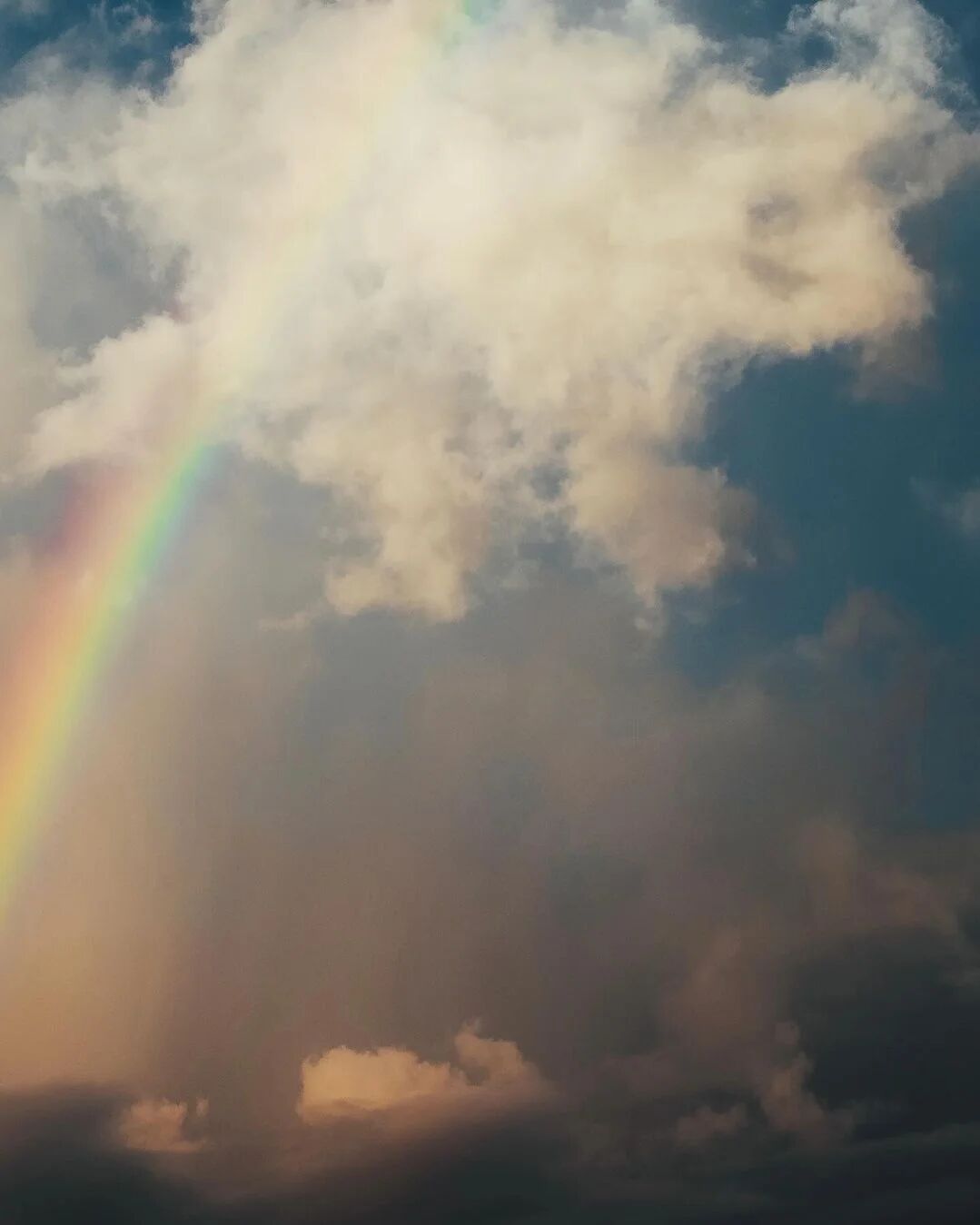
Rain still fits into Dhinasha. It can show up as warm showers that drift through and clear again. We do not describe it as “perfect weather”. We describe it as island weather. Sunny intervals, a steady sea breeze, and the occasional tropical moment passing by.
- A steady sea breeze, a bright horizon, and that fresh after rain feeling when the clouds lift.
- When the sky opens up, it’s back to the lagoon. When it rains, we slow down and let the island reset.
- Dhinasha days are made for being outside, with plans that flex naturally around passing showers.


Hiyavihaa (14 to 26 February): Calmer seas and warmer, slower days
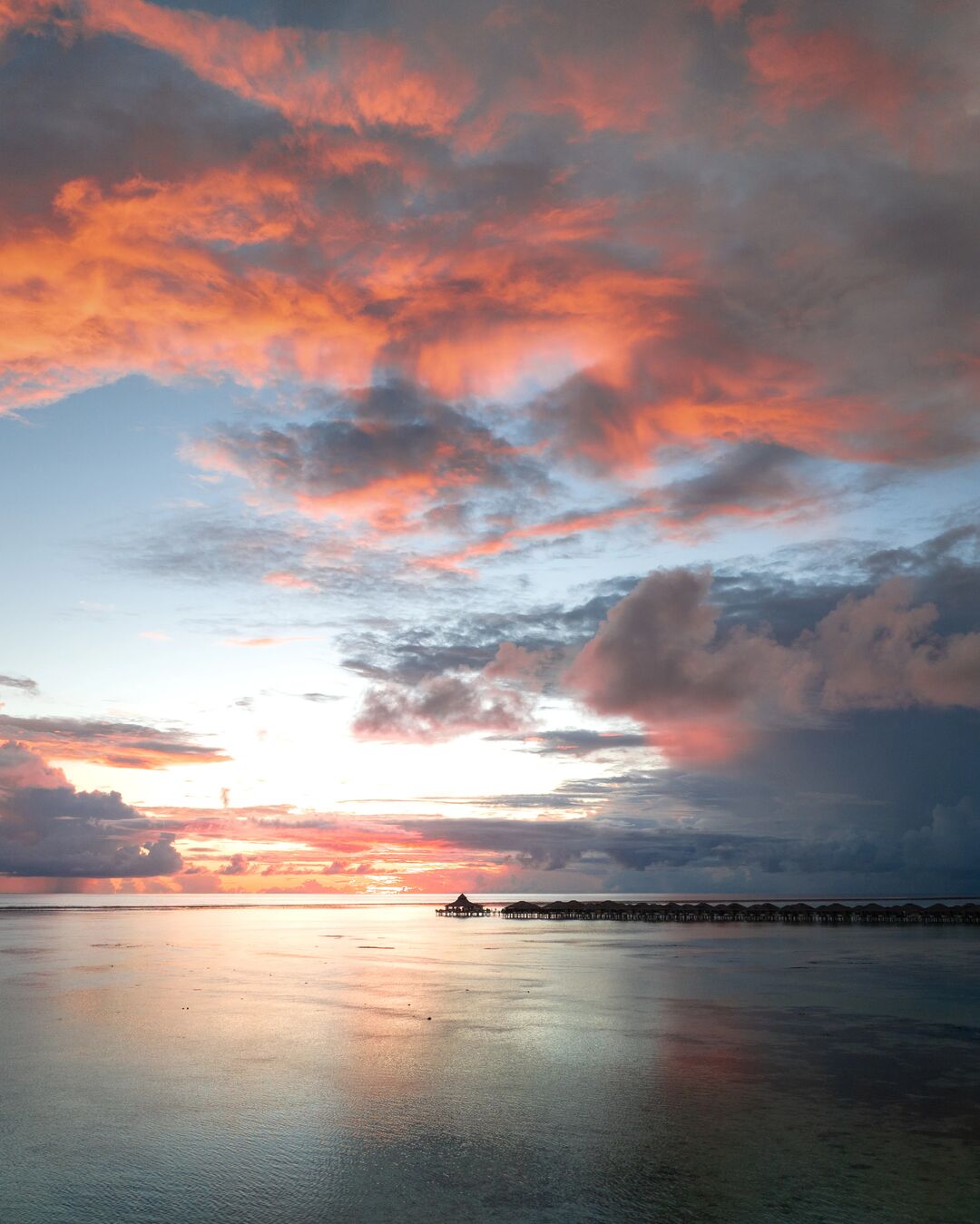
Hiyavihaa often follows with a steadier, warmer feel.
Seas tend to feel gentler, the days run hotter, and nights can stay noticeably warm too. The north easterly breeze is still around, but the mood shifts. Less “breezy energy”, more “easy lagoon living”.
This is the kind of micro season that keeps you in and out of the water all day without thinking. Swim, dry off, swim again. Long outdoor hours. Slow afternoons. Evenings that stay warm after dinner.
-
Hiyavihaa brings calmer seas and warmer days and nights. The kind of weather that keeps you in and out of the water all day.
-
This is lagoon-first season. Long swims, slow afternoons, and evenings that stay warm after dinner.
-
When the sea is calm, everything feels easier. Gentle boat time, snorkel breaks, and unhurried outdoor hours.
-
Hiyavihaa has that settled feel. Less chase the moment, more stay a little longer.
Fura badhuruva (27 February to 11 March): Quick storms, dramatic skies, bright breaks
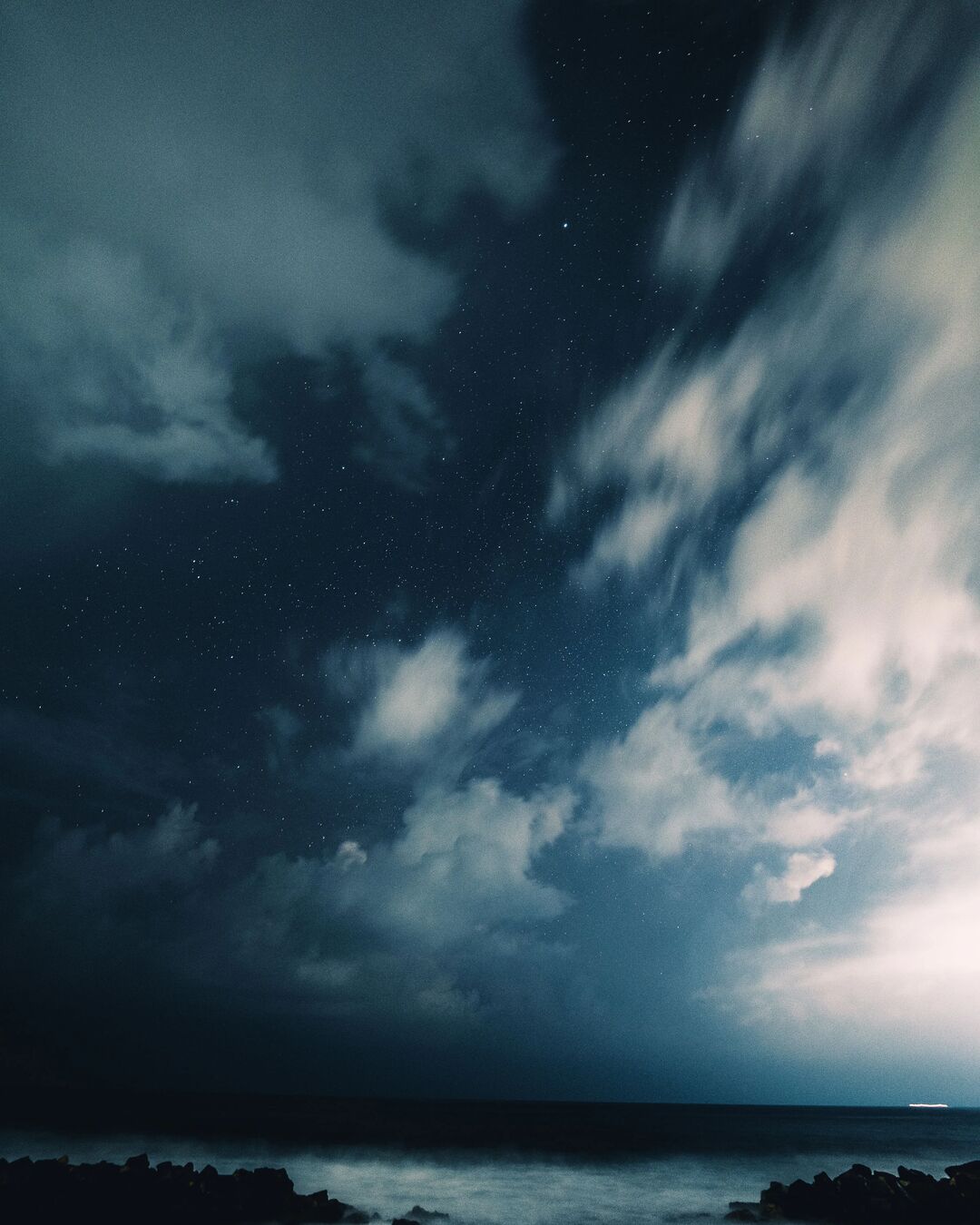
Fura badhuruva is the chapter with personality.
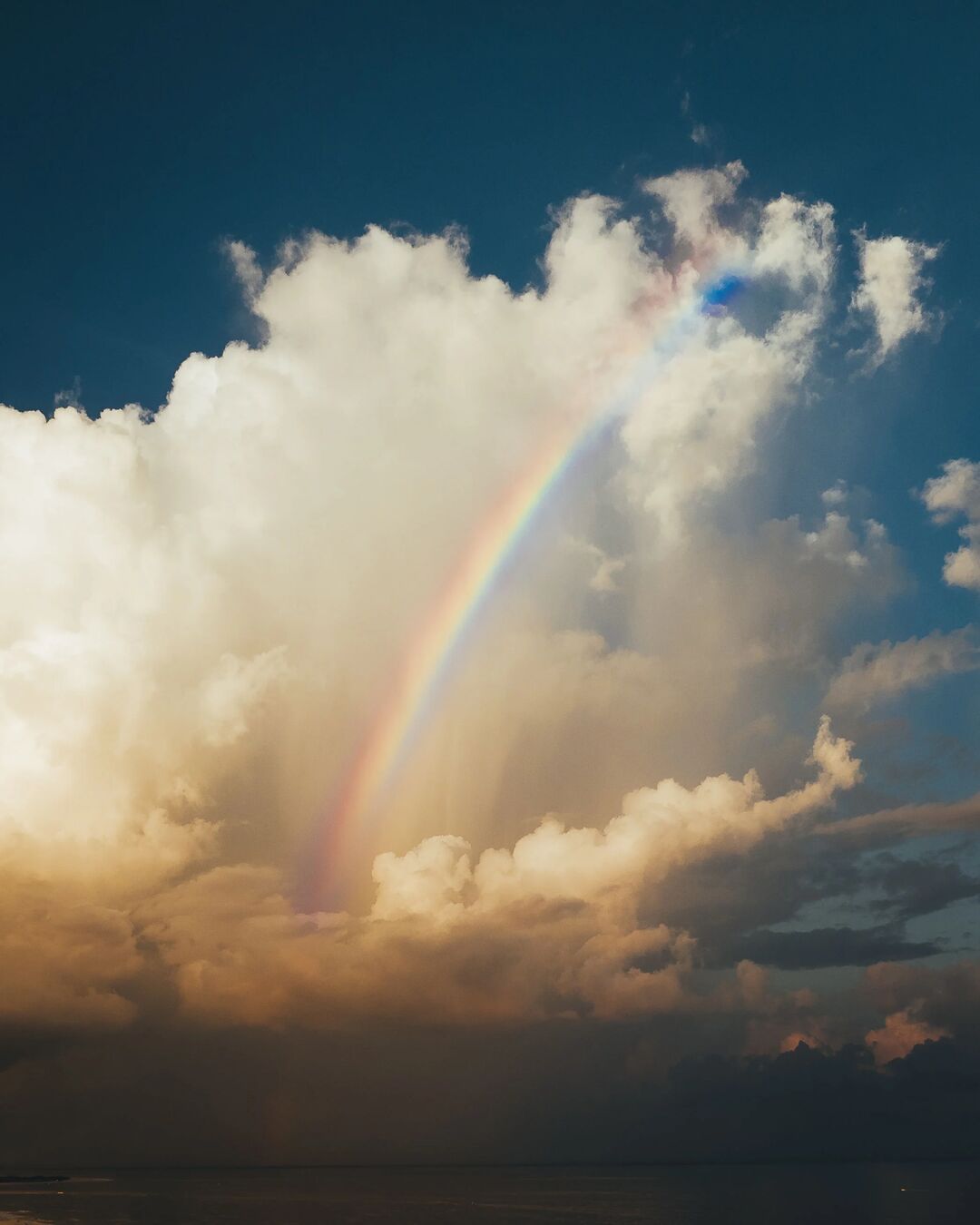
The sky can turn dramatic, sometimes with short bursts of thunder and lightning. It does not have to mean constant rain. Often it is a quick storm line that rolls through, then clears like nothing happened.
This is a strong storytelling micro season because everything looks more alive. The ocean colours deepen. The sky shifts fast. And the calm after rain feels almost cinematic, like the island has been freshly washed.
-
Quick tropical storms, then clear breaks that feel even brighter after rain.
-
A short storm, a cooler breeze, the ocean turning silver, and then the sun coming back.
-
We plan around the sky. Lagoon time in the clear windows, slow rituals when the rain rolls in.
-
If thunder shows up, we take it as a cue to slow down, then head back out when it settles.
Fas badhuruva (12 to 25 March): Clearer horizons and crisp light
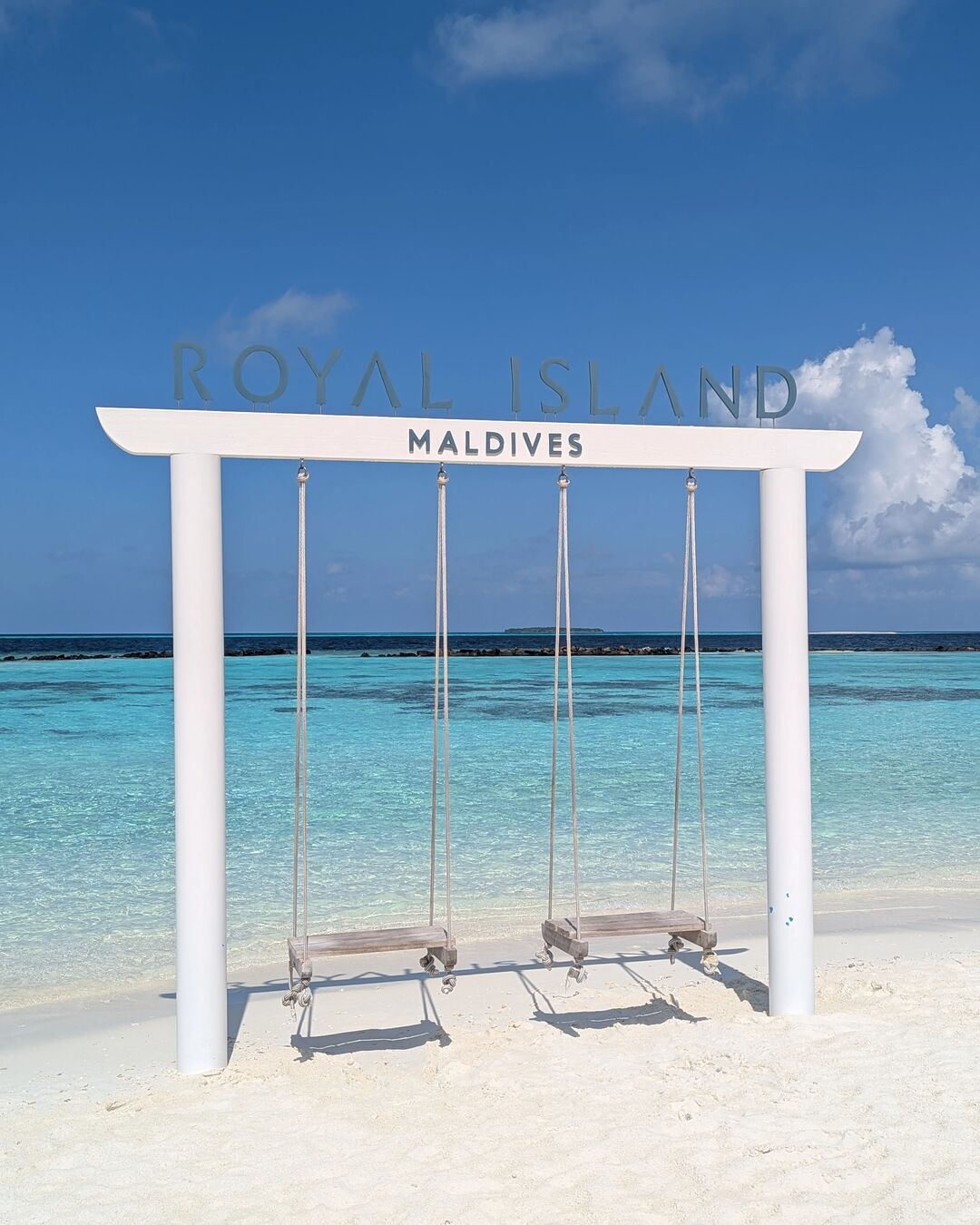
Fas badhuruva is often described as the clearer blue-sky stretch.
Days tend to open up bright, with moderate north easterly winds in the background. There can still be an occasional tropical moment, but the overall feel is cleaner light and clearer horizons.
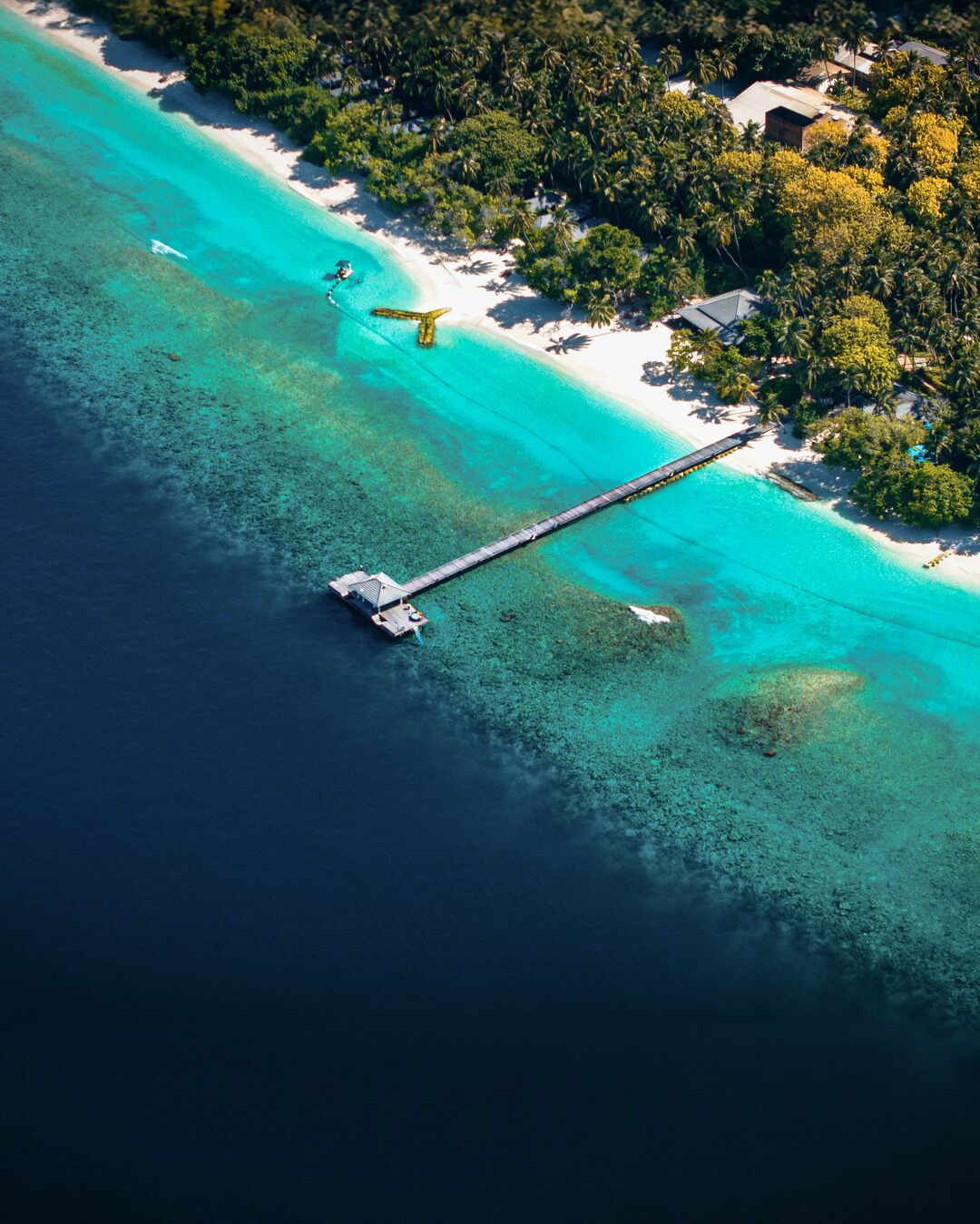
For our content, this is the stretch where colour does the talking. Reef colours pop, the lagoon looks extra clear, and the day feels long.
-
Fas badhuruva has that blue-sky feel. Bright days, clean horizons, and the lagoon looking extra clear.
-
This is the crisp-light stretch. Reef colour pops and the water looks brighter.
-
Mostly clear skies with the occasional tropical moment. Enough to keep it interesting.
-
We lean into daytime colour here. Lagoon shots, reef moments, and wide open ocean views.
Related Posts

Where mantas feel close
Royal Island for mantas, Baa to Raa. When to go, how it works, what to pack,…

Villa Nautica in Seven days
This is a seven-day Villa Nautica itinerary written the Shell way: one clear…

Inside Villa Park’s New Two-Bedroom Beach Pool House
Step inside Villa Park’s new Two-Bedroom Beach Pool House, a 456 sqm beachfront…